
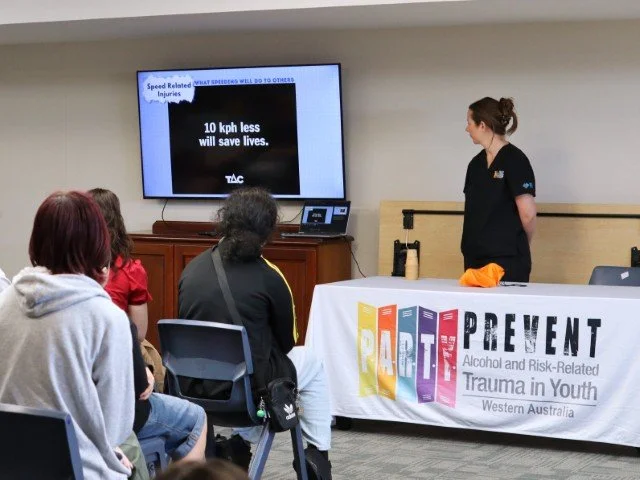
Today, our Adolescent Program senior students took part in the P.A.R.T.Y. (Prevent Alcohol and Risk-Related Trauma in Youth) program, an interactive incursion that gave them a real insight into the consequences of risk-taking behaviours.
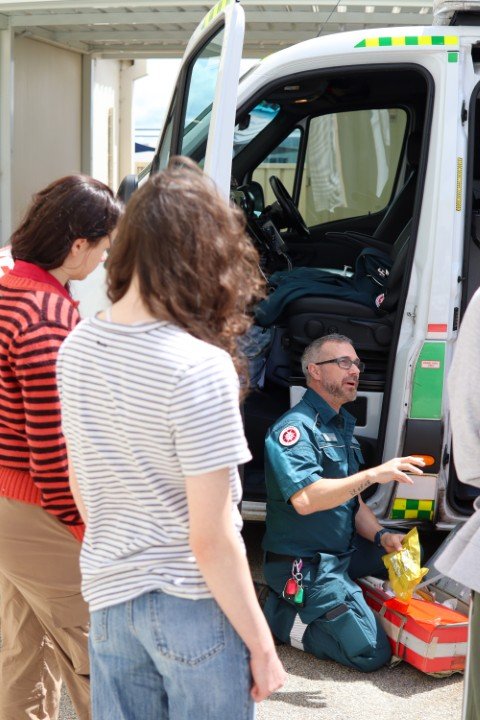
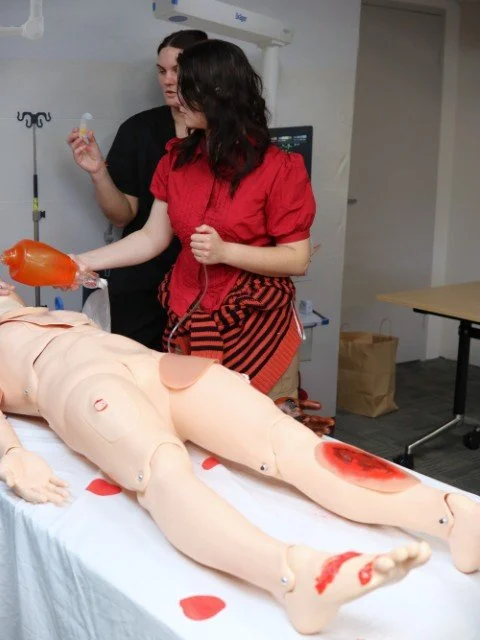
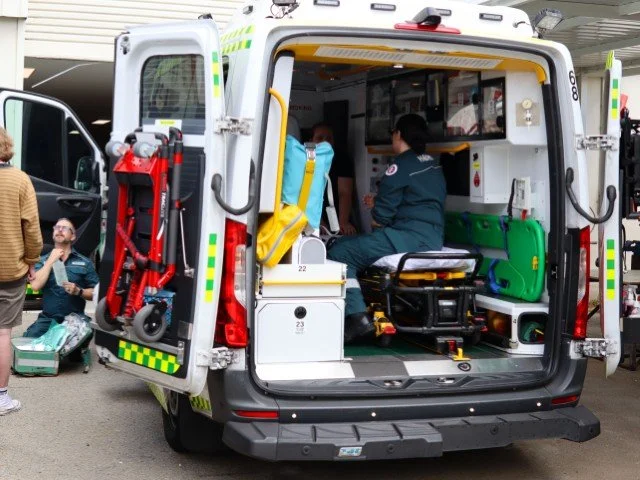
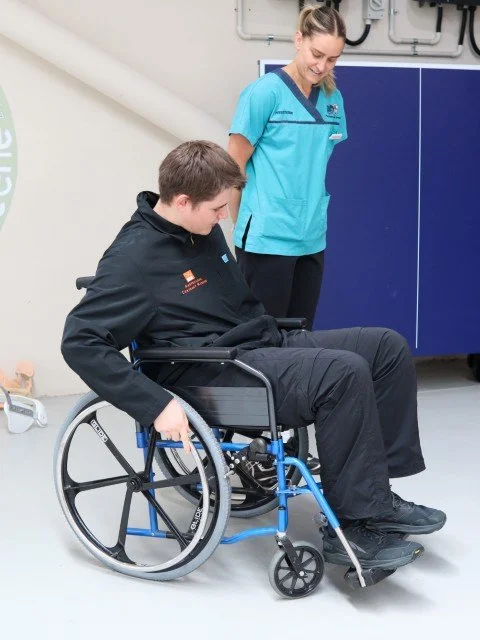
Students stepped into the role of first responders, treating a trauma dummy that had been involved in an accident. They practised using tourniquets to control bleeding and inserting breathing tubes, explored the inside of an ambulance and even had a go using a wheelchair.
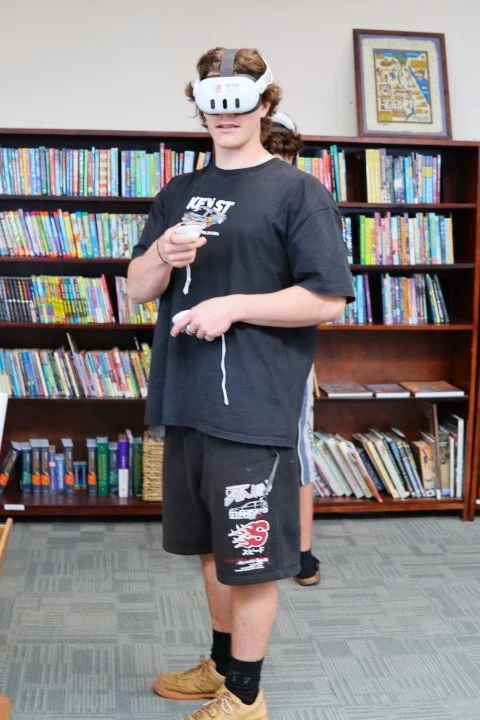
The VR headsets were another highlight, allowing students to experience a choose-your-own-adventure scenario at a party, where each decision led to different outcomes and consequences.
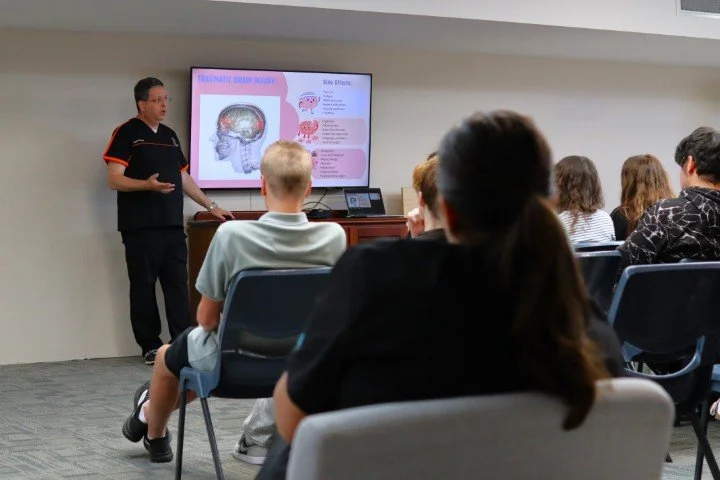
Students also heard from a trauma surgeon and nurses who shared their experiences treating serious injuries, including those that could have been prevented by wearing a seatbelt, slowing down and never drink driving.
It was a hands-on and eye-opening day that gave our students plenty to think about when it comes to making safe choices and understanding how those choices can affect themselves and others.
A big thank you to everyone involved in delivering this valuable experience for our students.
Below is a student's reflection on the event.
Royal Perth Hospital Incursion
On Monday of week three Term 4, Senior School Adolescent Program was visited by nurses, paramedics and a trauma surgeon. They spoke to the students about how to prevent alcohol and risk related trauma in youth.
We started out with an introductory presentation from two nurses from Royal Perth Hospital. This was followed by a short presentation from a trauma surgeon who discussed injuries he frequently witnesses. This was rather confronting. Thankfully, we had a short break after this presentation. Lastly, we were shown the correct course of action to take if you find someone who has passed out and needs medical attention. This was presented by two paramedics.
The second half of the incursion involved being split into a couple of groups and experiencing different stations. There were VR headsets which allowed you to make your own choices while at a party at night to see how you ended up. The paramedics who did the presentation showed us around their ambulance. There was a physio too, and she told us about different braces and exercises she uses to help people with spinal cord or pelvic injuries to regain the use of their legs. Finally, the nurses had brought in a hospital bed with a mannequin on it. The nurses explained what happens to someone who has just arrived in the ER and needs medical attention.
This incursion was an excellent experience because I know it changed the way I felt about the roads and what kind of injuries you can endure from a simple car crash. I also learnt that it's important to always look at a situation presented to you and decide whether it could get dangerous. If you think you are in danger, you then need to decide what to do.
By Timo